
Suboxone Strips: Medical Uses, Mechanism of Action, Dosage Forms, Pharmacokinetics, Side Effects, and Drug Interactions
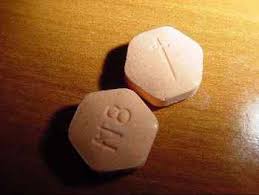
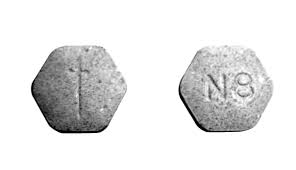
Suboxone strips uses dosage and side effects. Doctors prescribe Suboxone to treat opioid use disorder. The medication appears as dissolvable film strips that patients place under the tongue. Each strip contains two active ingredients: Buprenorphine and Naloxone.
Patients and researchers search for clear information about how Suboxone strips work, how doctors prescribe them, and how the body processes the medication. This guide explains the pharmacology, medical uses, dosage forms, and interactions linked to Suboxone strips.
Introduction to Suboxone Strips
Suboxone supports treatment programs for opioid dependence. Doctors often include it in medication-assisted treatment plans that combine medication with counseling.
Opioid dependence can develop after exposure to drugs such as:
-
Heroin
-
Morphine
-
Oxycodone
-
Fentanyl
Suboxone strips dissolve under the tongue. The medication then enters the bloodstream through oral tissues.
Mechanism of Action
Suboxone works through two compounds that act on opioid receptors in different ways.
Buprenorphine activity
Buprenorphine acts as a partial agonist at the Mu-opioid receptor.
This interaction produces several effects:
-
reduces opioid cravings
-
limits withdrawal symptoms
-
stabilizes receptor activity in the brain
Partial receptor activation helps control withdrawal while limiting the stronger effects produced by full opioid agonists.
Naloxone activity
Naloxone acts as an opioid antagonist.
It blocks opioid receptors if someone attempts to misuse the medication through injection. This mechanism discourages misuse and supports treatment programs.
Medical Uses
Doctors prescribe Suboxone strips during several stages of opioid dependence treatment.
Withdrawal management
Patients who stop opioids often experience symptoms such as:
-
muscle discomfort
-
nausea
-
sweating
-
anxiety
Suboxone strips reduce the intensity of these symptoms.
Maintenance therapy
During maintenance therapy, patients take Suboxone regularly to stabilize brain chemistry while continuing recovery programs.
Craving control
Suboxone reduces the urge to use opioids by maintaining controlled activation of opioid receptors.
Dosage Forms
Suboxone is available mainly as a dissolvable film strip.
Sublingual film strips
Patients place the strip under the tongue where it dissolves and releases medication.
Common strengths include:
-
2 mg buprenorphine / 0.5 mg naloxone
-
4 mg / 1 mg
-
8 mg / 2 mg
-
12 mg / 3 mg
Doctors determine dosage based on treatment stage and patient response.
Other buprenorphine formulations
Other medications contain buprenorphine in different forms:
-
Subutex tablets
-
Sublocade extended-release injection
-
Brixadi long-acting injection
These options support different treatment strategies.
Pharmacokinetics
Pharmacokinetics describes how the body absorbs, distributes, metabolizes, and removes a medication.
Absorption
Suboxone strips dissolve under the tongue. The medication absorbs through oral mucous membranes and enters circulation.
Distribution
Buprenorphine distributes throughout body tissues and reaches the brain.
It crosses the Blood-brain barrier, which allows it to affect the central nervous system.
Metabolism
The liver metabolizes buprenorphine through the enzyme Cytochrome P450 3A4.
This metabolic process converts the drug into inactive compounds.
Elimination
The body removes metabolites through bile and urine.
Buprenorphine shows an elimination half-life that often ranges between 24 and 42 hours.
Where to buy Suboxone stripe. always visit fentanylshop to get top quality suboxone.
Side Effects
Suboxone strips may produce effects as the body adapts to the medication.
Common side effects
Patients sometimes report:
-
headache
-
nausea
-
constipation
-
sweating
-
sleep disturbance
These symptoms may decrease after continued treatment.
Nervous system effects
Some patients notice:
-
dizziness
-
fatigue
-
mild sedation
These effects relate to the medication’s action on the central nervous system.
Drug Interactions
Some medications influence how Suboxone behaves in the body.
CYP3A4 inhibitors
Drugs that inhibit Cytochrome P450 3A4 may increase buprenorphine levels.
Examples include:
-
Ketoconazole
-
Ritonavir
Central nervous system depressants
Combining Suboxone with sedative medications can increase sedation.
Examples include:
-
Diazepam
-
Alprazolam
Doctors review medication history before starting therapy.
Frequently Asked Questions
How do Suboxone strips work?
The film dissolves under the tongue and releases buprenorphine, which partially activates opioid receptors. This action reduces cravings and withdrawal symptoms.
How quickly do Suboxone strips start working?
Many patients notice relief from withdrawal symptoms within one hour.
Why does Suboxone contain naloxone?
Naloxone blocks opioid receptors if the medication enters the bloodstream through injection. This design discourages misuse.
How long does buprenorphine remain in the body?
Buprenorphine has a long half-life. Effects may last about one day depending on dose and metabolism.


Reviews
There are no reviews yet.