
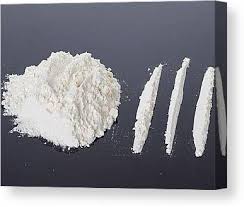
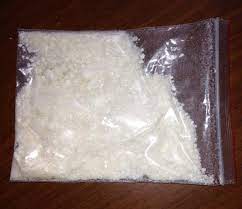

Methadone Powder: Medical Uses, Mechanism of Action, Dosage Forms, Pharmacokinetics, Side Effects, and Drug Interactions
Methadone powder uses and side effects. Healthcare providers use Methadone in the treatment of opioid use disorder and severe chronic pain. Some pharmaceutical preparations begin as methadone powder before manufacturers formulate them into tablets, wafers, or oral solutions.
Researchers, pharmacists, and students often study methadone powder to understand how the medication functions before it enters finished pharmaceutical forms. This guide explains the pharmacology, medical uses, dosage preparations, and interactions associated with methadone.
Introduction to Methadone
Methadone is a long-acting opioid agonist developed for pain management and later adopted in treatment programs for opioid dependence.
Opioid dependence may develop after repeated exposure to drugs such as:
-
Heroin
-
Morphine
-
Oxycodone
-
Fentanyl
Methadone produces long-lasting receptor activity compared with many short-acting opioids. This pharmacological property allows physicians to stabilize opioid receptor signaling in patients undergoing treatment programs.
Pharmaceutical manufacturers often begin production using methadone powder before converting the compound into approved dosage forms.
Mechanism of Action
Methadone acts on receptors within the central nervous system that regulate pain perception and opioid dependence.
The medication activates the Mu-opioid receptor, a receptor responsible for many opioid effects.
Activation of this receptor leads to several physiological responses:
-
reduction of withdrawal symptoms
-
decreased opioid cravings
-
stabilization of receptor signaling in the brain
Methadone also interacts with the NMDA receptor, which influences pain signaling and may reduce opioid tolerance.
These receptor interactions allow methadone to support long-term treatment for opioid dependence and chronic pain conditions.
Medical Uses
Doctors prescribe methadone for several medical purposes.
Opioid dependence treatment
Methadone therapy forms a core component of treatment programs designed to manage opioid use disorder.
The medication reduces withdrawal symptoms and cravings, which allows patients to focus on behavioral therapy and recovery support.
Withdrawal symptom management
Patients discontinuing opioids often experience symptoms such as:
-
muscle pain
-
sweating
-
nausea
-
anxiety
Methadone stabilizes opioid receptors and reduces the intensity of these symptoms.
Chronic pain treatment
Physicians sometimes prescribe methadone to treat severe chronic pain when other medications do not provide adequate relief.
Because methadone acts for longer periods than many opioids, it may help maintain consistent pain control.
Pharmaceutical Forms Related to Methadone Powder
Methadone powder typically serves as a raw pharmaceutical ingredient during manufacturing. Pharmaceutical companies convert the compound into approved dosage forms used in treatment programs.
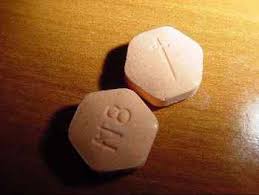
Oral tablets
Methadone tablets provide controlled oral dosing for pain management and treatment programs.
Oral liquid solutions
Many treatment clinics administer methadone as a liquid formulation prepared from pharmaceutical-grade methadone compounds.
Dispersible wafers
Some programs use dissolvable wafers that disperse in liquid before administration.
Each formulation originates from the same active compound but provides different dosing methods.
Pharmacokinetics
Pharmacokinetics explains how the body processes methadone after administration.
Absorption
Methadone absorbs effectively through the digestive system following oral administration.
Peak blood concentrations may appear several hours after dosing.
Distribution
After absorption, methadone distributes widely throughout body tissues.
The medication crosses the Blood-brain barrier, which allows it to interact with opioid receptors in the brain.
Metabolism
The liver metabolizes methadone through several enzyme pathways including Cytochrome P450 3A4.
These metabolic processes convert methadone into inactive metabolites before elimination.
Elimination
The body removes methadone metabolites through urine and bile.
Methadone demonstrates a long elimination half-life that may range from 24 to 36 hours or longer depending on individual metabolism.
Side Effects
Patients beginning methadone therapy may experience several effects while the body adjusts to treatment.
Common side effects
Reported symptoms include:
-
nausea
-
constipation
-
sweating
-
dizziness
-
drowsiness
These symptoms may decrease during continued therapy.
Nervous system effects
Some individuals experience:
-
fatigue
-
mild sedation
-
decreased alertness
These effects result from methadone’s activity within the central nervous system.
Drug Interactions
Certain medications influence how methadone behaves in the body.
CYP3A4 inhibitors
Drugs that inhibit Cytochrome P450 3A4 may increase methadone concentrations.
Examples include:
-
Ketoconazole
-
Ritonavir
Central nervous system depressants
Combining methadone with sedative medications may increase sedation.
Examples include:
-
Diazepam
-
Alprazolam
Doctors evaluate medication history before prescribing methadone therapy.
Frequently Asked Questions
What is methadone powder used for?
Pharmaceutical manufacturers use methadone powder as a raw ingredient when producing tablets, wafers, and oral liquid formulations used in medical treatment.
How does methadone reduce opioid cravings?
Methadone activates opioid receptors in the brain. Controlled receptor activation reduces withdrawal symptoms and decreases cravings.
How long does methadone remain active in the body?
Methadone has a long half-life. Effects may last about one day or longer depending on dose and individual metabolism.
Why do treatment programs rely on methadone therapy?
Methadone stabilizes opioid receptor activity and reduces withdrawal symptoms, which helps patients maintain participation in recovery programs.
Educational Medical Resources
Readers interested in clinical research and treatment guidelines can explore resources from:
-
U.S. Food and Drug Administration
-
National Institutes of Health
-
World Health Organization
These organizations publish peer-reviewed drug research, pharmacology data, and treatment guidance.




Reviews
There are no reviews yet.