
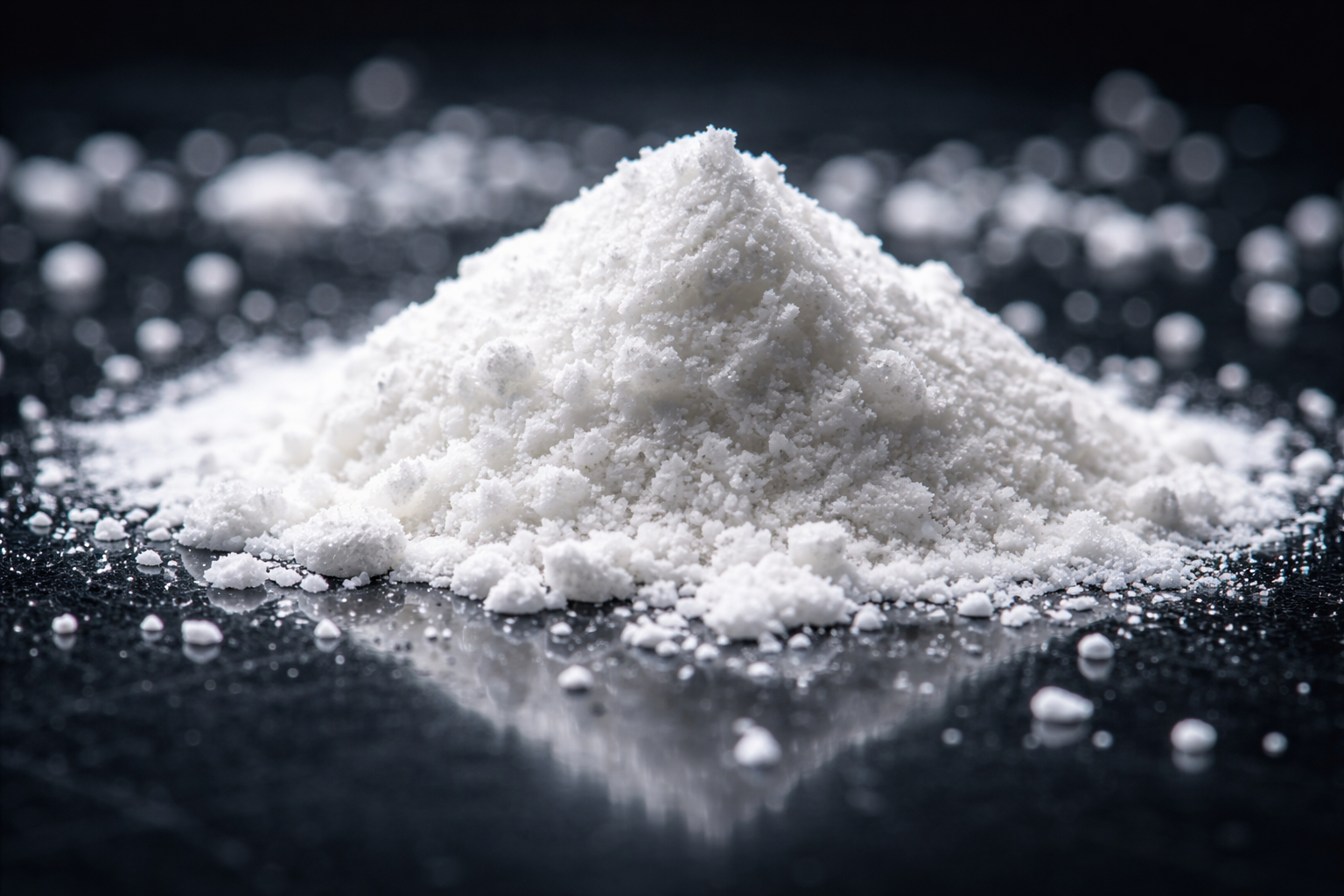
Fentanyl Powder: Uses, Mechanism, Risks, and Public Health Impact
fentanyl powder overdose risk and effects. Fentanyl is one of the most potent opioids in modern medicine. In clinical settings, it plays a role in anesthesia and severe pain control. Outside controlled environments, especially in powder form, it drives a large share of overdose deaths worldwide.
You need to separate two realities:
- Medical fentanyl saves lives
- Illicit fentanyl powder takes them
If you blur that line, you misunderstand the entire topic.
What Fentanyl Powder Is
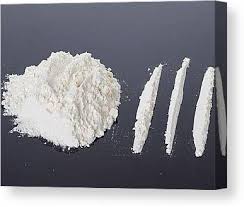
Fentanyl powder is a fine, white or off-white substance.
It exists in two forms:
- Pharmaceutical-grade (used under strict medical supervision)
- Illicitly manufactured powder (unregulated and often mixed with other drugs)
The second form dominates online searches and public concern.
Key fact:
- Fentanyl is about 50–100 times stronger than morphine
That potency changes everything. Small miscalculations become fatal.
Medical Uses of Fentanyl
Doctors use fentanyl in controlled doses for:
- Surgical anesthesia
- Severe acute pain
- Cancer-related pain
Forms used in medicine:
- Injection
- Transdermal patches
- Lozenges
Powder is not how patients receive it in legitimate care.
How Fentanyl Works in the Body
Fentanyl acts on your central nervous system.
- It binds strongly to mu-opioid receptors
- It blocks pain signals
- It slows breathing
Effects happen fast:
- Rapid onset
- Intense pain relief
- Strong sedation
This speed increases both its usefulness and its danger.
Why Fentanyl Powder Is So Dangerous
Illicit fentanyl powder creates risk at every step:
- No dose control
- No quality control
- Often mixed with heroin, cocaine, or pills
You cannot see potency differences.
A tiny amount can cause:
- Respiratory depression
- Loss of consciousness
- Death
Ask yourself:
-
Would you trust a substance where micrograms decide survival?
Overdose Risk and Mechanism
Overdose happens when breathing slows or stops.
Fentanyl accelerates this process:
- It reaches the brain quickly
- It suppresses respiratory centers
- It can overpower the body before intervention
Signs of overdose:
- Slow or stopped breathing
- Blue lips or nails
- Unresponsiveness
Without rapid treatment, death follows.
The Role of Naloxone
Naloxone reverses opioid overdoses.
- It displaces opioids from receptors
- It restores breathing
Limits you should understand:
- Fentanyl may require multiple doses
- Delay reduces effectiveness
Access to naloxone saves lives, but it is not a safety net for reckless exposure.
Public Health Impact
Fentanyl powder drives a major part of the opioid crisis.
Key patterns:
- Mixed into other drugs without user knowledge
- Sold as counterfeit pills
- Distributed in highly variable potency
Result:
- Spike in overdose deaths
- Increased emergency responses
- Strain on healthcare systems
This is not a niche issue. It is systemic.
Exposure Myths vs Reality
You may hear:
“Touching fentanyl powder causes instant overdose.”
Reality:
- Casual skin contact is unlikely to cause overdose
- Risk increases with inhalation or ingestion
Misinformation creates panic.
Accurate knowledge supports real prevention.
Prevention and Harm Reduction
You reduce risk with clear actions:
- Avoid unknown substances
- Never assume purity
- Use drug-checking tools where available
- Keep naloxone accessible
If you ignore uncertainty, you accept risk blindly.
Final Take
Fentanyl powder is not just another drug form.
It is defined by:
- Extreme potency
- Unpredictable dosing
- High fatality risk
You cannot approach it casually.
Ask yourself:
- Do you actually understand the margin between use and death here?

Reviews
There are no reviews yet.