
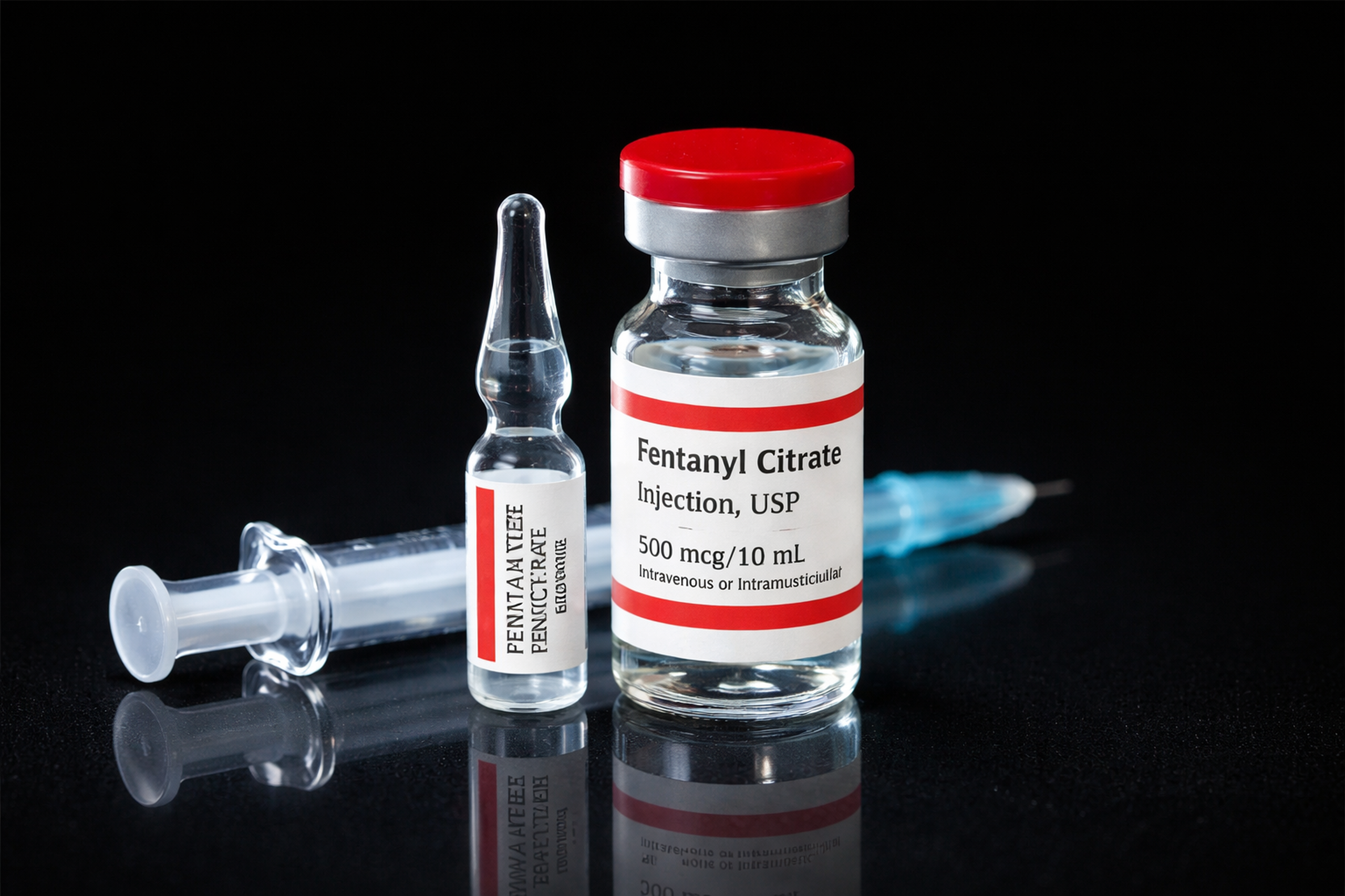
Order fentanyl online
Order fentanyl online. You may have seen the name Fentanyl in hospital settings, pain management clinics, or medical research articles. Doctors use this medication to treat severe pain that does not respond to other opioid drugs.
This guide explains how fentanyl works in the body, how doctors prescribe it, what dosage forms exist, and what you should understand about its pharmacology and fentanyl injection buy online.
Introduction to Fentanyl(Buy fentanyl Citrate online)
To buy Fentanyl, you have to visit fentanylshop and place an order is a synthetic opioid analgesic developed in the 1960s.
The compound belongs to the Fentanyl Citrate family of medications used for anesthesia and severe pain treatment fentanyl injection buy online.
Medical teams use fentanyl in settings such as:
-
Surgical anesthesia
-
Intensive care units
-
Cancer pain management
-
Post-operative pain treatment
Fentanyl has a strong affinity for opioid receptors. Even small doses produce significant analgesic effects. If you are searching for where to buy fentanyl online, fentanylshop in the best option.
Mechanism of Action
Fentanyl works by activating the Mu‑opioid receptor in the brain and spinal cord.
When fentanyl binds to these receptors:
-
Pain signals traveling through the nervous system decrease
-
The perception of pain changes
-
Sedation may occur
-
Breathing rate may slow
This receptor interaction changes neurotransmitter release in the central nervous system.
What happens inside the brain
Fentanyl alters activity in several areas:
-
Brainstem pain pathways
-
Limbic system regions controlling emotion
-
Spinal cord pain transmission networks
These changes reduce both the intensity of pain and the emotional response to pain.
fentanyl Medicaluses and side effects in medical treatment
Doctors prescribe fentanyl only when other treatments fail to control pain.
Severe cancer pain
Many oncology patients receive fentanyl therapy when pain persists despite drugs like Morphine or Oxycodone.
Surgical anesthesia
Anesthesiologists frequently use fentanyl during surgery. It provides strong pain control while allowing other anesthetic drugs to work.
Breakthrough pain
Breakthrough pain refers to sudden pain episodes despite ongoing treatment.
Short-acting fentanyl forms treat these episodes quickly.
Chronic severe pain
In some patients with nerve damage or traumatic injuries, long-acting fentanyl patches maintain steady pain control. Your best option to buy fentanyl online is at fentanylshop.
Dosage Forms
Fentanyl exists in multiple pharmaceutical forms. Each form delivers the drug at a different rate. fentanyl injection buy online here at fentanyl shop.
Injectable fentanyl
Hospitals administer intravenous fentanyl during:
-
surgery
-
trauma treatment
-
emergency pain management
Transdermal patches
The Duragesic patch releases fentanyl through the skin for up to 72 hours.
Doctors prescribe patches for long-term severe pain.
Lozenges and buccal tablets
Products such as Actiq dissolve in the mouth.
They allow rapid absorption through oral tissues.
Nasal spray
Intranasal fentanyl provides quick onset for breakthrough pain.
Pharmacokinetics
Pharmacokinetics describes how the body absorbs, distributes, metabolizes, and removes a drug.
Absorption
Absorption depends on the dosage form.
-
IV fentanyl acts within minutes
-
Buccal tablets absorb through oral mucosa
-
Patches release medication slowly through skin
Distribution
Fentanyl distributes rapidly into:
-
brain tissue
-
lungs
-
muscle
-
fatty tissue
The drug crosses the Blood‑brain barrier easily.
Metabolism
The liver metabolizes fentanyl using the enzyme Cytochrome P450 3A4.
This process converts fentanyl into inactive metabolites.
Elimination
The kidneys remove most metabolites through urine.
Side Effects
Like all opioid medications, fentanyl produces several possible effects.
Common effects
Patients may experience:
-
nausea
-
constipation
-
drowsiness
-
dizziness
-
dry mouth
Respiratory effects
Opioids reduce breathing rate by affecting the brainstem respiratory center.
Medical supervision is required when fentanyl therapy begins.
Nervous system effects
Some patients report:
-
confusion
-
sedation
-
mood changes
Drug Interactions
Some medications change how fentanyl behaves in the body.
CYP3A4 inhibitors
Drugs that block Cytochrome P450 3A4 may increase fentanyl levels.
Examples include:
-
Ketoconazole
-
Ritonavir
Central nervous system depressants
Combining fentanyl with sedatives can increase sedation.
Examples include:
-
Diazepam
-
Alprazolam
Doctors review all medications before prescribing fentanyl.
Frequently Asked Questions
Why do doctors choose fentanyl instead of morphine?
Fentanyl acts faster and requires smaller doses. This helps control severe pain during surgery and advanced illness.
How long does fentanyl stay in the body?
The elimination half-life ranges from 3 to 12 hours depending on the dosage form.
Transdermal patches release the drug for up to three days.
Is fentanyl used only in hospitals?
Hospitals administer IV fentanyl. Doctors prescribe patches, lozenges, and nasal sprays for patients at home when severe pain requires ongoing treatment.
What makes fentanyl different from other opioids?
Fentanyl is much more potent than many traditional opioids. The strong receptor binding allows effective pain control at lower doses.
Research and Medical Resources
If you want deeper clinical information, you can review research and clinical guidelines from these sources:
-
National Institutes of Health clinical drug database
-
World Health Organization pain management guidance
These resources explain dosing guidelines, pharmacology research, and clinical safety data.
Questions You Should Ask When Learning About Pain Treatment
When studying opioid medications, consider asking:
-
How do opioid receptors regulate pain signals?
-
What differences exist between short-acting and long-acting opioids?
-
How do pharmacokinetic properties affect pain control?
Understanding these topics helps you interpret medical research and treatment strategies used by physicians.




Reviews
There are no reviews yet.