


Where to buy Xanax safely, Pharmacokinetics, Side Effects, and Drug Interactions
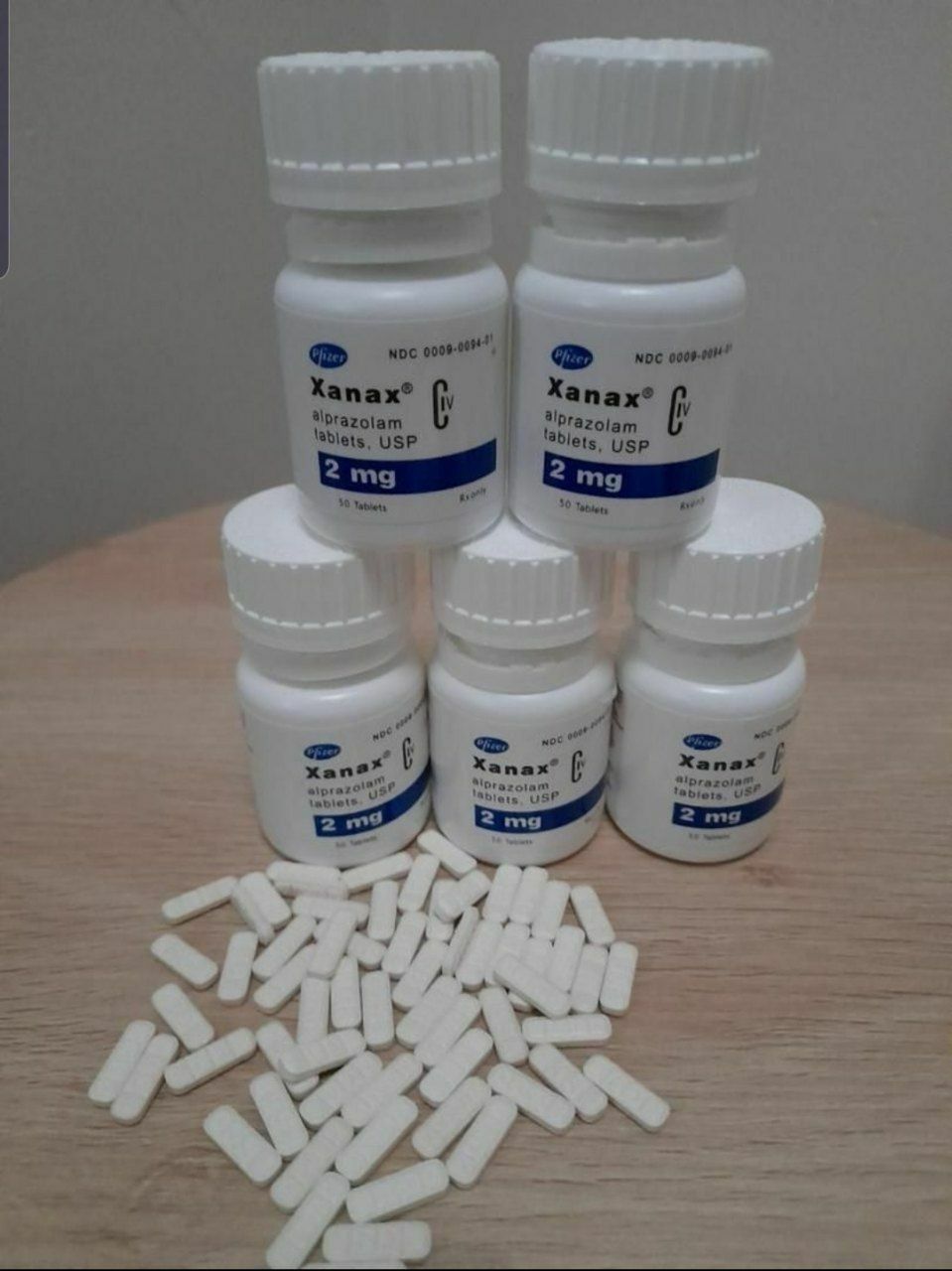
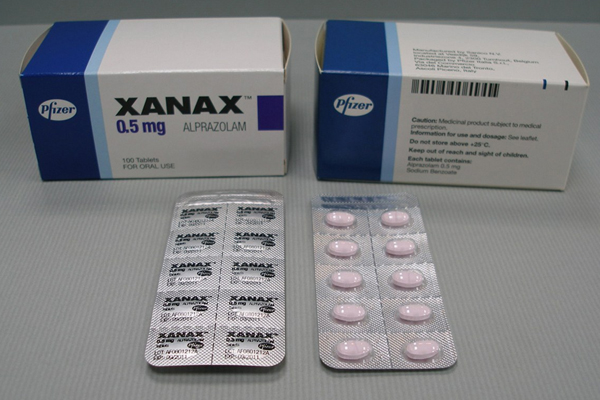
Where to buy Xanax safely. Doctors prescribe Xanax to treat anxiety disorders and panic attacks. You can buy Xanax from fentanylshop with and without prescription, 100% safe delivery. The medication contains the active compound Alprazolam, which belongs to the benzodiazepine drug class.
Patients often search for clear explanations about how Xanax works, when doctors prescribe it, and what effects it produces in the body. This guide explains the pharmacology, dosage forms, and clinical uses.
Introduction to Xanax
Xanax acts on the central nervous system. Doctors prescribe it for short-term treatment of anxiety conditions and panic disorder.
The medication belongs to the benzodiazepine family alongside drugs such as:
-
Diazepam
-
Lorazepam
-
Clonazepam
Doctors use benzodiazepines when rapid relief of anxiety symptoms becomes necessary.
You may wonder why doctors often choose Xanax. The drug begins working quickly and produces a calming effect within a short time.
Mechanism of Action
Xanax affects brain signaling by interacting with the GABA receptor system.
GABA stands for gamma-aminobutyric acid, a neurotransmitter that slows brain activity.
When alprazolam binds to GABA receptors:
-
Neuronal activity decreases
-
Anxiety symptoms reduce
-
Muscle tension declines
-
Sedation may occur
This mechanism increases the effect of the neurotransmitter Gamma‑aminobutyric acid.
The result produces a calming effect across several brain regions involved in emotional response.
Medical Uses
Doctors prescribe Xanax for several mental health conditions.
Anxiety disorders
The medication treats generalized anxiety disorder. Patients may experience symptoms such as:
-
constant worry
-
restlessness
-
muscle tension
-
sleep problems
Xanax reduces these symptoms by calming neural activity.
Panic disorder
Panic disorder involves sudden episodes of intense fear. These episodes can include:
-
rapid heartbeat
-
shortness of breath
-
chest discomfort
-
dizziness
Doctors often prescribe alprazolam to reduce the frequency and intensity of panic attacks.
Anxiety linked to depression
Some patients experience anxiety symptoms alongside depression. Xanax may help control anxiety while other therapies address mood symptoms.
Dosage Forms
Pharmaceutical manufacturers produce Xanax in several dosage forms.
Immediate-release tablets
These tablets dissolve quickly in the stomach. Effects usually begin within one hour.
Common tablet strengths include:
-
0.25 mg
-
0.5 mg
-
1 mg
-
2 mg
Extended-release tablets
Extended-release versions release alprazolam slowly throughout the day.
Doctors prescribe these formulations for longer symptom control.
Orally disintegrating tablets
These tablets dissolve on the tongue without water.
This dosage form helps patients who have difficulty swallowing pills.
Pharmacokinetics
Pharmacokinetics explains how the body processes a medication.
Absorption
Alprazolam absorbs rapidly from the digestive tract.
Peak blood concentration often occurs within one to two hours after oral administration.
Distribution
Once absorbed, the drug distributes throughout body tissues.
It crosses the Blood-brain barrier, which allows it to affect the central nervous system.
Metabolism
The liver metabolizes alprazolam using the enzyme Cytochrome P450 3A4.
This process converts the drug into inactive metabolites.
Elimination
The body removes metabolites through urine.
The average elimination half-life ranges between 11 and 16 hours in adults.
Side Effects
Like many central nervous system medications, Xanax may produce side effects.
Common side effects
Patients sometimes report:
-
drowsiness
-
dizziness
-
fatigue
-
impaired coordination
-
difficulty concentrating
These effects often appear when therapy begins.
Cognitive effects
Some individuals notice:
-
memory problems
-
slowed reaction time
-
reduced alertness
These effects result from the calming influence on brain activity.
Drug Interactions
Some medications influence how alprazolam behaves in the body.
CYP3A4 inhibitors
Drugs that inhibit Cytochrome P450 3A4 may increase alprazolam levels.
Examples include:
-
Ketoconazole
-
Itraconazole
Central nervous system depressants
Combining Xanax with other sedative drugs can intensify sedation.
Examples include:
-
Hydrocodone
-
Oxycodone
Doctors evaluate medication history before prescribing benzodiazepines.
Frequently Asked Questions
How fast does Xanax work?
Most patients notice calming effects within one hour after taking an immediate-release tablet.
How long do the effects last?
Immediate-release tablets typically work for four to six hours.
Extended-release tablets may provide longer symptom control.
Why do doctors prescribe benzodiazepines for anxiety?
Benzodiazepines enhance the effect of GABA, the brain’s primary inhibitory neurotransmitter. This reduces neural activity linked to anxiety.
Is Xanax used only for panic disorder?
Doctors prescribe it for several anxiety-related conditions, including generalized anxiety disorder and panic attacks.
Educational Medical Resources
You can review clinical research and prescribing information through trusted sources.
-
U.S. Food and Drug Administration drug database
-
National Institutes of Health medical research publications
-
World Health Organization mental health resources
These sites provide peer-reviewed medical data and pharmacology references.




Reviews
There are no reviews yet.