
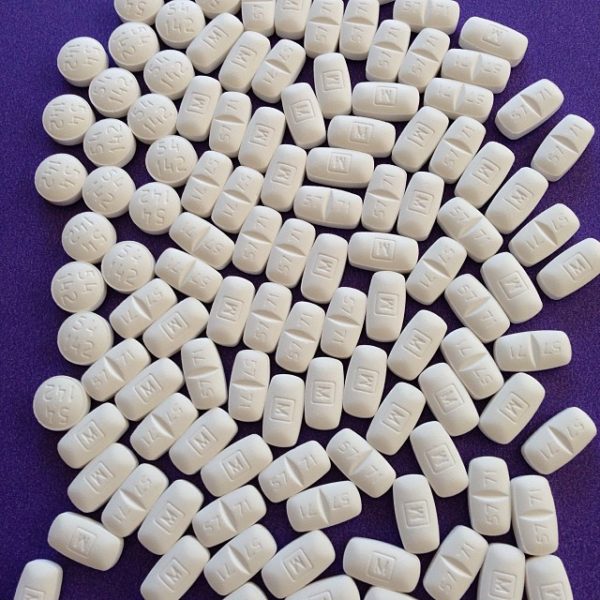
Methadone 10 mg: Medical Uses, Mechanism of Action, Dosage Forms, Pharmacokinetics, Side Effects, and Drug Interactions(Buy Methadone 10mg)
Buy Methadone 10mg. Doctors prescribe Methadone to treat opioid use disorder and severe chronic pain. One common strength used in treatment programs and pain management is the 10 mg tablet.
Patients often search for clear information about how methadone works, what the 10 mg strength is used for, and how the medication behaves in the body. This guide explains pharmacology, medical uses, dosage forms, and interactions associated with methadone therapy.
Introduction to Methadone(Buy Methadone 10mg)
Methadone belongs to a group of medications known as opioid agonists. Doctors use it in controlled treatment settings to stabilize opioid receptors in the brain. You can Buy Methadone 10mg from fentanylshop with or without prescription and get delicvered descretely to your doorsteps.
Opioid dependence can develop after exposure to drugs such as:
-
Heroin
-
Morphine
-
Oxycodone
-
Fentanyl
Methadone works differently from many short-acting opioids because it produces long-lasting receptor activity. This property helps stabilize patients during treatment programs.
Mechanism of Action
Methadone acts on opioid receptors in the central nervous system.
The medication activates the Mu-opioid receptor, which plays a central role in pain perception and opioid dependence.
Activation of this receptor leads to several effects:
-
reduction of withdrawal symptoms
-
decreased opioid cravings
-
stabilization of receptor activity
Methadone also interacts with the NMDA receptor, which may contribute to pain control and reduced opioid tolerance.
These combined actions allow methadone to support treatment for opioid dependence and chronic pain.
Medical Uses
Doctors prescribe methadone for several clinical purposes.
Opioid dependence treatment
Methadone helps individuals manage withdrawal symptoms and cravings during recovery programs.
The medication stabilizes opioid receptor activity, allowing patients to participate in counseling and recovery programs.
Withdrawal symptom control
Patients stopping opioids may experience symptoms such as:
-
muscle discomfort
-
nausea
-
sweating
-
anxiety
Methadone reduces the intensity of these symptoms.
Chronic pain management
Doctors may prescribe methadone tablets for severe chronic pain when other opioid medications fail to provide adequate relief.
Dosage Forms
Methadone appears in several pharmaceutical formulations.
10 mg tablets
The 10 mg tablet represents one of the commonly prescribed strengths in clinical settings. Doctors adjust dosing depending on treatment stage and patient response.
Liquid solution
Many opioid treatment programs administer methadone as a liquid solution for supervised dosing.
Dispersible wafers
Some clinics use dissolvable wafers that disperse in liquid before administration.
All forms deliver the same active compound but allow different dosing methods.
Pharmacokinetics
Pharmacokinetics explains how the body processes a medication.
Absorption
Methadone absorbs efficiently through the digestive system after oral administration.
Peak blood concentrations often appear several hours after dosing.
Distribution
After absorption, methadone distributes widely throughout body tissues.
The drug crosses the Blood-brain barrier, which allows it to affect opioid receptors in the brain.
Metabolism
The liver metabolizes methadone through enzymes including Cytochrome P450 3A4.
These metabolic processes convert methadone into inactive metabolites.
Elimination
The body removes methadone metabolites through urine and bile.
Methadone shows a long elimination half-life that often ranges between 24 and 36 hours or longer depending on individual metabolism.
Side Effects
Patients may experience side effects when beginning methadone therapy.
Common side effects
Reported symptoms include:
-
nausea
-
constipation
-
sweating
-
dizziness
-
drowsiness
These symptoms may decrease after continued treatment.
Nervous system effects
Some patients notice:
-
fatigue
-
mild sedation
-
reduced alertness
These effects relate to methadone’s influence on the central nervous system.
Drug Interactions
Some medications influence how methadone behaves in the body.
CYP3A4 inhibitors
Drugs that inhibit Cytochrome P450 3A4 may increase methadone levels.
Examples include:
-
Ketoconazole
-
Ritonavir
Central nervous system depressants
Combining methadone with sedative medications may increase sedation.
Examples include:
-
Diazepam
-
Alprazolam
Doctors evaluate medication history before prescribing methadone therapy.
Frequently Asked Questions
What is methadone 10 mg used for?
Doctors prescribe the 10 mg strength during opioid dependence treatment programs and in some cases for chronic pain management.
How long does methadone remain in the body?
Methadone has a long half-life. Effects may last about one day or longer depending on metabolism and dosage.
Why do treatment programs use methadone?
Methadone stabilizes opioid receptors, reduces withdrawal symptoms, and decreases cravings during recovery.
How does methadone differ from other opioids?
Methadone produces longer-lasting receptor activity compared with many short-acting opioids.
Educational Medical Resources
You can review clinical research and treatment guidance from these organizations:
-
U.S. Food and Drug Administration
-
National Institutes of Health
-
World Health Organization
These organizations publish drug safety data, pharmacology research, and treatment guidelines.



Reviews
There are no reviews yet.