

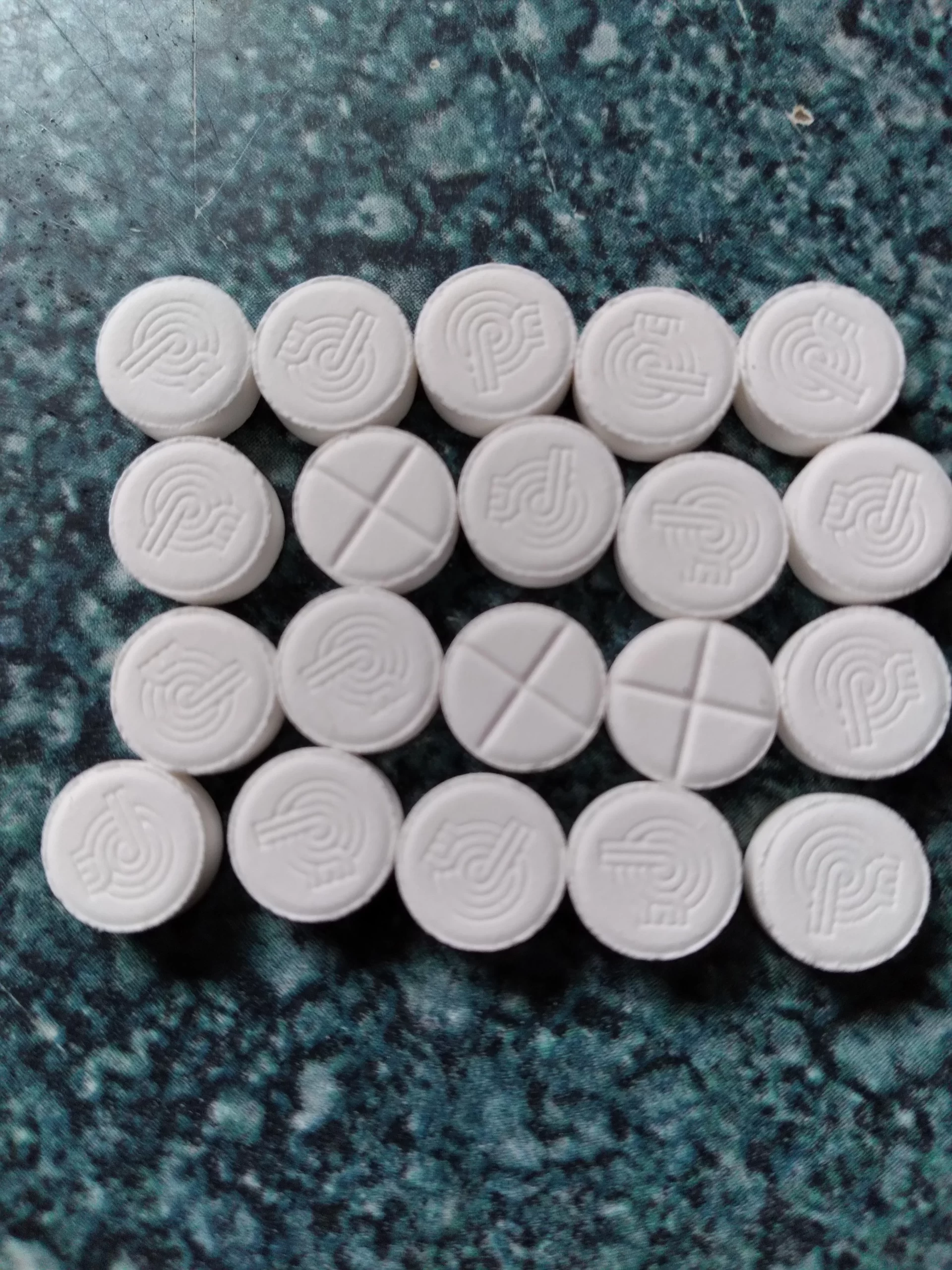
Buy Methadone Wafers
Buy methadone wefers at a legit online shop at an affordable price. Doctors prescribe Methadone to treat opioid use disorder and severe chronic pain. One formulation appears as dissolvable tablets often called methadone wafers. These tablets dissolve in liquid before administration. fentanylshop is a safe online pill vendor where you can buy methadone with and without prescription and get a fast delivery with tracking number available to follow up on your shipment.
Patients and healthcare researchers often look for clear explanations about how methadone wafers work, how doctors prescribe them, and how the body processes the medication. This guide explains pharmacology, dosage forms, and medical uses.
Introduction to Methadone Wafers
Methadone belongs to a class of medications known as opioid agonists. Doctors use it as part of treatment programs for opioid dependence and chronic pain conditions.
Dependence on opioids may develop after exposure to medications such as:
-
Heroin
-
Morphine
-
Oxycodone
-
Fentanyl
Methadone wafers dissolve in liquid before consumption. This form allows controlled dosing within treatment programs.
Mechanism of Action
Methadone acts on opioid receptors within the central nervous system.
The drug activates the Mu-opioid receptor, the same receptor targeted by many opioids.
Activation of this receptor produces several effects:
-
reduces withdrawal symptoms
-
decreases opioid cravings
-
stabilizes opioid receptor activity
Methadone also influences another receptor known as the NMDA receptor, which may contribute to pain control and reduced opioid tolerance.
These combined actions help stabilize patients during treatment.
Medical Uses
Doctors prescribe methadone wafers for several medical purposes.
Opioid dependence treatment
Methadone therapy supports recovery programs for individuals with opioid use disorder.
The medication reduces cravings and withdrawal symptoms while patients participate in treatment programs.
Withdrawal symptom management
During early recovery, patients often experience symptoms such as:
-
muscle pain
-
nausea
-
sweating
-
anxiety
Methadone reduces these symptoms by activating opioid receptors in a controlled way.
Chronic pain treatment
Doctors sometimes prescribe methadone to manage long-term severe pain when other medications fail to provide relief.
Dosage Forms
Methadone appears in several pharmaceutical forms.
Dispersible wafers
Methadone wafers dissolve in water or juice before administration. Clinics often use this formulation because it allows precise dosing.
Oral tablets
Standard methadone tablets provide another oral dosing option.
Liquid solution
Many treatment programs use liquid methadone solutions for supervised dosing.
Each formulation contains the same active compound but delivers the medication in different ways.
Pharmacokinetics
Pharmacokinetics describes how the body absorbs, distributes, metabolizes, and eliminates a drug.
Absorption
Methadone absorbs well after oral administration. The medication enters the bloodstream through the digestive system.
Distribution
After absorption, methadone distributes widely throughout body tissues.
The drug crosses the Blood-brain barrier, which allows it to act on receptors in the brain.
Metabolism
The liver metabolizes methadone through enzymes including Cytochrome P450 3A4.
This process converts the drug into inactive metabolites.
Elimination
The body removes methadone metabolites through urine and bile.
Methadone has a long elimination half-life that may range from 24 to 36 hours or longer depending on patient metabolism.
Side Effects
Patients may experience side effects when beginning methadone therapy.
Common side effects
Reported symptoms include:
-
nausea
-
constipation
-
sweating
-
dizziness
-
drowsiness
These symptoms may decrease as the body adjusts to treatment.
Nervous system effects
Some patients report:
-
fatigue
-
mild sedation
-
reduced alertness
These effects occur because methadone influences the central nervous system.
Drug Interactions
Some medications influence how methadone behaves in the body.
CYP3A4 inhibitors
Drugs that inhibit Cytochrome P450 3A4 may increase methadone levels.
Examples include:
-
Ketoconazole
-
Ritonavir
Central nervous system depressants
Combining methadone with sedative medications may increase sedation.
Examples include:
-
Diazepam
-
Alprazolam
Doctors review medication history before prescribing methadone.
Frequently Asked Questions
How do methadone wafers work?
Methadone activates opioid receptors in the brain. This activation reduces withdrawal symptoms and opioid cravings.
How long does methadone stay in the body?
Methadone has a long half-life. Effects may last about one day or longer depending on dose and metabolism.
Why do treatment programs use methadone wafers?
The dispersible wafer allows controlled dosing and consistent administration in supervised treatment settings.
Can methadone treat chronic pain?
Doctors sometimes prescribe methadone for severe long-term pain when other treatments do not provide relief.
Educational Medical Resources
You can review clinical research and treatment guidelines from these organizations:
-
U.S. Food and Drug Administration
-
National Institutes of Health
-
World Health Organization
These sources publish drug safety information, clinical research, and treatment guidelines.



Reviews
There are no reviews yet.