
Buy Hydrocodone Online Without Prescription
Buy Hydrocodone online without prescription. Hydrocodone is one of the most prescribed opioid pain medications in the United States. It also carries real risks that most people don’t fully understand before they start taking it.
This post covers what hydrocodone is, how it works, who it helps, and what can go wrong. You can always get hydrocodone from fentanylshop where all are welcomed and treated as equals.
What Is Hydrocodone?
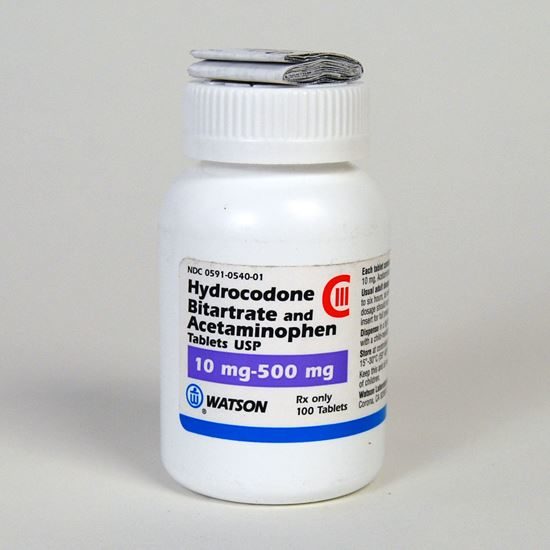
Hydrocodone is a prescription opioid used to treat moderate to severe pain. It also appears in combination products designed to suppress cough.
You’ll find it sold under brand names like:
- Vicodin (hydrocodone + acetaminophen)
- Norco (hydrocodone + acetaminophen)
- Zohydro ER (extended-release hydrocodone)
- Hysingla ER (extended-release hydrocodone)
The Drug Enforcement Administration (DEA) classifies hydrocodone combination products as Schedule II controlled substances. That means the federal government recognizes both their medical use and their high potential for misuse.
How Does Hydrocodone Work?
Hydrocodone binds to opioid receptors in your brain and spinal cord. This does two things:
- It blocks pain signals
- It triggers a release of dopamine
The dopamine release is why people feel a sense of relief or even euphoria. It’s also why dependence develops faster than most patients expect.
Your body adapts to the drug. Over time, you need more of it to get the same effect. That process is called tolerance, and it’s the first step toward dependence.
What Is Hydrocodone Prescribed For?
Doctors prescribe hydrocodone for:
- Post-surgical pain
- Injury-related pain (fractures, trauma)
- Chronic pain conditions that don’t respond to non-opioid treatments
- Severe cancer pain
- Cough suppression (in specific formulations)
It’s not a first-line treatment. Medical guidelines recommend trying non-opioid options first, like NSAIDs, physical therapy, or nerve blocks.
If your doctor prescribed hydrocodone, ask them specifically why non-opioid options weren’t sufficient for your condition.
Common Side Effects
Most people on hydrocodone experience at least some of these:
- Constipation (affects nearly everyone)
- Drowsiness and mental fog
- Nausea
- Dizziness
- Dry mouth
- Slowed breathing
The side effect list isn’t a reason to panic. It’s a reason to pay attention. Constipation, for example, doesn’t resolve on its own with continued use. You’ll need to manage it actively with fiber, hydration, and sometimes stool softeners.
Serious Risks You Need to Understand
Respiratory Depression
This is the cause of most opioid overdose deaths. Hydrocodone slows your breathing. In high doses, or when combined with alcohol or benzodiazepines (like Xanax or Valium), it can stop your breathing entirely.
Never combine hydrocodone with:
- Alcohol
- Benzodiazepines
- Sleep aids
- Muscle relaxants
- Other opioids
Overdose
Overdose symptoms include:
- Slow, shallow, or stopped breathing
- Blue or grayish lips or fingertips
- Unresponsive to stimulation
- Pinpoint pupils
- Gurgling or choking sounds
If you see these signs in someone, call 911 immediately. If naloxone (Narcan) is available, use it. Naloxone reverses opioid overdose and is available without a prescription at most pharmacies.
Dependence and Addiction
Physical dependence can develop in as little as a few weeks of regular use. Dependence means your body requires the drug to function normally. Stopping abruptly causes withdrawal.
Addiction is different. It’s a compulsive pattern of use despite negative consequences. Not everyone who becomes dependent becomes addicted, but the risk is real.
Factors that increase your risk:
- Personal or family history of substance use disorder
- History of mental health conditions like depression or anxiety
- Long-term use (beyond 90 days)
- Higher doses
Hydrocodone Withdrawal: What It Feels Like
If you’ve been taking hydrocodone regularly and stop suddenly, withdrawal typically starts within 6 to 12 hours of your last dose and peaks around 36 to 72 hours.
Symptoms include:
- Muscle aches and cramps
- Restlessness and agitation
- Sweating and chills
- Nausea, vomiting, and diarrhea
- Insomnia
- Anxiety
Withdrawal from opioids is rarely life-threatening, but it’s extremely uncomfortable. Never stop cold turkey without medical supervision if you’ve been on the medication long-term. A tapering schedule reduces the severity.
Hydrocodone vs. Other Opioids
How does hydrocodone compare to other common opioids?
| Opioid | Relative Potency (vs. oral morphine) | Common Use |
|---|---|---|
| Codeine | 0.15x | Mild pain, cough |
| Hydrocodone | ~1x | Moderate to severe pain |
| Oxycodone | ~1.5x | Moderate to severe pain |
| Morphine | 1x (baseline) | Severe pain |
| Fentanyl | 50-100x | Severe pain, anesthesia |
Hydrocodone sits in the middle of the opioid potency range. It’s stronger than codeine and weaker than oxycodone. The dose matters more than the drug name.
Safe Use Guidelines
If you’re prescribed hydrocodone:
- Take the lowest effective dose for the shortest time needed
- Never crush, chew, or dissolve extended-release tablets
- Store it locked away from children and others
- Don’t share it with anyone else (it’s illegal and dangerous)
- Dispose of unused medication at a DEA-authorized collection site
- Tell every doctor and pharmacist you see what you’re taking
Questions to Ask Your Doctor
Before you fill that prescription, ask:
- Why is hydrocodone the right choice over non-opioid options?
- How long do you expect me to need this?
- What’s the plan to taper off when the pain is managed?
- What should I do if I feel like I need more than prescribed?
If your doctor can’t answer these clearly, that’s information.
What the Data Shows
The CDC reports that opioid overdose deaths exceeded 80,000 in the United States in 2021. Prescription opioids like hydrocodone contributed to a significant share of those deaths, particularly in the early years of the opioid epidemic.
Prescribing has declined since 2012, when it peaked. But hydrocodone remains one of the most prescribed drugs in the country.
That statistic isn’t meant to scare you away from a medication your doctor says you need. It’s meant to make sure you take it seriously.
When to Seek Help
Contact a doctor or addiction specialist if you notice:
- You’re taking more than prescribed
- You’re thinking about the medication more than your pain
- You feel anxious or agitated when it’s time for the next dose
- You’ve tried to stop and couldn’t
- You’re getting prescriptions from more than one provider
These are signs of a developing problem. The earlier you address it, the easier it is to manage.
Resources:
- SAMHSA National Helpline: 1-800-662-4357 (free, confidential, 24/7)
- findtreatment.gov for local treatment options
- Your pharmacist for naloxone access and safe disposal locations
Hydrocodone can be the right tool for serious pain. It can also derail your life if you’re not paying attention. Know what you’re taking, know why you’re taking it, and have a plan to stop.

Rudolph –
Wonderful job right here. I definitely enjoyed It
Ashlee –
Hello there.
Branden –
Pretty! This has been a really wonderful.
Thank you for supplying.
menstral –
Thanks
Elise –
I was exploring via the web for my shit since yesterday night and I at last found
what i was looking for here! Thanks
lingerie –
Trusted site
Ernie –
Thanks for the package!
Dorothy –
Interesting and legit